He had caught Isaiah’s first pitches in the parking lot behind their apartment.
When the glove tore, he repaired it with red masonry line from his toolbox.
“You can replace it,” Rochelle told Isaiah.
“I know.”
“You don’t have to keep using broken things because your father touched them.”
“I know.”
He placed the old glove above his bed.
The new glove went to practice.
Mason Harlan left his father’s academy.
For two months, no team wanted him.
Some believed he had participated in the fraud.
Others worried about the attention.
Mason trained alone at a public park.
His true fastball remained between eighty-seven and eighty-nine.
That was still good for sixteen.
It simply was not the number printed on the banners.
One afternoon, he came to Dawson Field while Isaiah practiced with the regional program.
He waited outside the fence.
Isaiah saw him and walked over.
“What do you want?”
“To ask something.”
“What?”
“Can Earl look at my mechanics?”
Isaiah stared at him.
“You have coaches.”
“Not anymore.”
“That isn’t my problem.”
“I know.”
Mason looked toward the mound.
“My dad always fixed the number. He never fixed the throw.”
Isaiah thought about that.
Then he opened the gate.
“Ask Earl yourself.”
Earl agreed to watch five pitches.
Mason threw eighty-seven.
Then eighty-eight.
Earl pointed toward his landing foot.
“You fall toward first base.”
“My dad said that’s because I generate too much force.”
“Your dad said many things.”
Mason looked down.
Earl continued.
“Do you want praise or instruction?”
“Instruction.”
“Then stop looking at the radar.”
Mason worked beside Isaiah twice a week.
They did not become best friends.
Trust did not grow that quickly.
But the competition changed.
When Mason threw eighty-nine, the number belonged to him.
When Isaiah threw ninety-six during a controlled session, no one added anything.
No one needed to.
Brent Harlan’s hearing before the regional youth baseball council took place five months after the showcase.
Parents filled the auditorium.
Players sat in the front rows.
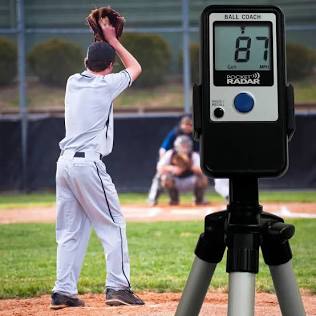
The radar gun rested inside a clear evidence case on a table.
Brent’s attorney called the adjustments common training practices.
He argued that youth radar measurements varied because of angle, weather, distance, and operator error.
Daniel Mercer agreed that small differences were normal.
Then he explained why Brent’s pattern was not.
“The adjustments followed payment status,” Mercer said. “Not weather.”
He displayed Mason’s profile.
Raw eighty-eight.
Displayed ninety-five.
Then Carlos Mendez.
Raw eighty-nine.
Displayed eighty-four.
“Same day,” Mercer said. “Same mound. Same gun. Different manual profile.”
The attorney asked whether the machine could have been corrupted.
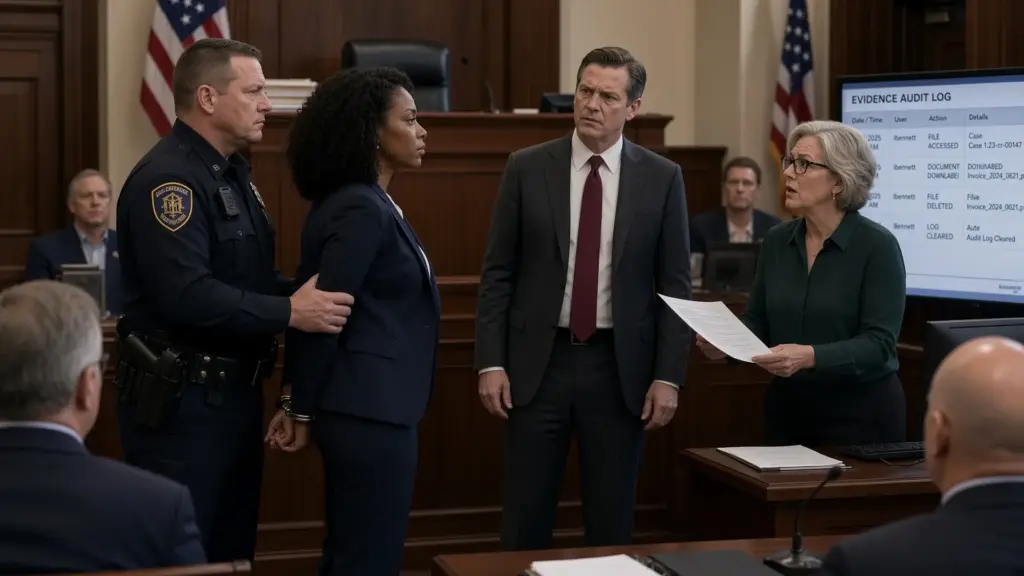
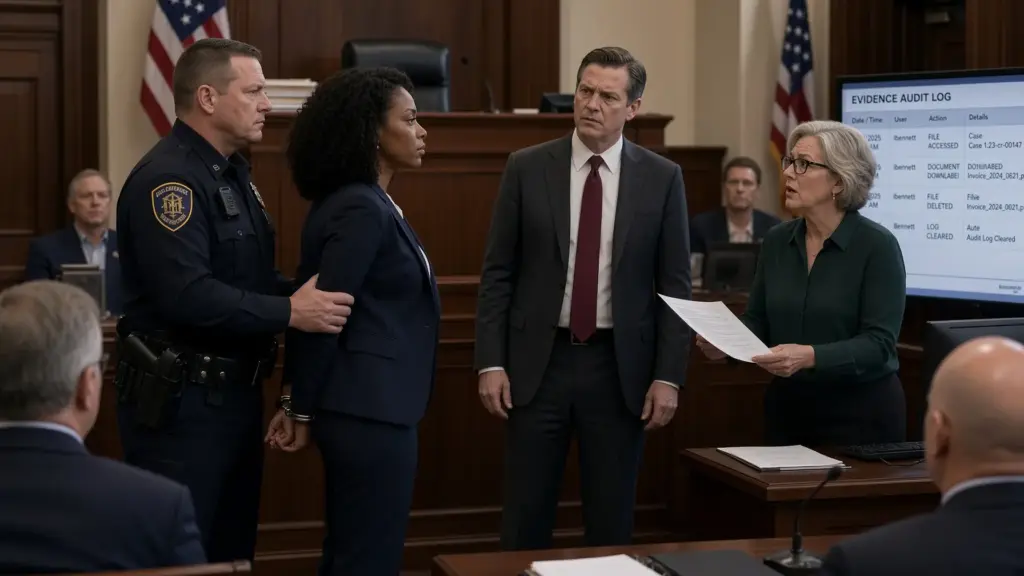
Mercer showed the calibration log.
Each change required Brent’s administrator code.
A nearby camera recorded Brent entering the settings between pitchers.
The attorney asked whether altered speeds changed actual performance.
“No,” Mercer said.
“Then no child lost real velocity.”
“They lost documented opportunity.”
“Scouts perform independent evaluations.”
“Some do. Others use showcase reports to decide whom to evaluate.”
“So the report is only one factor.”
“A locked door is only one object. It still matters when a child is standing outside.”
Rafael Mendez testified about selling his work truck.
DeShawn Price’s mother testified about the retirement loan.
Luke Garner described arriving at a national event with a verified ninety-three-mile-per-hour report and throwing eighty-six.
“Everyone thought I lied,” he said.
“Did Coach Harlan tell you he adjusted the report?” the council asked.
“No.”
“What did he say after the national event?”
“That I failed under pressure.”
Mason testified last.
Brent looked at his son for the first time that day.
Mason sat at the witness table.
“Did your father tell you your official velocity was ninety-five?” the council attorney asked.
“Yes.”
“Did you believe it?”
“At first.”
“When did you begin doubting it?”
“When independent guns showed eighty-seven or eighty-eight.”
“What did your father say?”
“That other guns were cheap.”
“Did he use Isaiah Reed’s readings under your name?”
“Yes.”
“How do you know?”
“The dates in the device history. I was not there.”
“Did you ask him about it?”
“After the showcase.”
“What did he say?”
“That everything he did was for me.”
Mason looked toward Brent.
“It wasn’t.”
The attorney asked, “Did you benefit?”
“Yes.”
“How?”
“Rankings. Invitations. Attention.”
“Did you know the data was false?”
“I knew something was wrong.”
“Why didn’t you report it?”
Mason swallowed.
“Because I liked being the person everyone thought I was.”
Isaiah sat beside Rochelle.
He understood that answer.
Not because he had lived it.
Because he knew how powerful it felt when strangers finally saw you as important.
Mason had been afraid of losing that feeling.
Isaiah had been afraid he would never receive it.
Both fears had made silence attractive.
The difference was that Brent had built a business around them.
The council permanently banned Brent from sanctioned youth baseball.
His academy lost its license and sponsorship.
Families filed civil claims over false performance reports and fees.
State prosecutors later charged him with commercial fraud, falsifying athletic records, and misusing nonprofit showcase funds.
He accepted a plea agreement.
He avoided prison but received five years of supervised probation, substantial restitution, and a permanent prohibition from operating youth athletic programs.
Some parents believed the penalty was too light.
Others thought public ruin was enough.
Isaiah did not decide his future by measuring Brent’s punishment.
He had spent too long allowing that man to define numbers.
The showcase organization rebuilt its system.
Radar readings had to be witnessed by two trained operators.
Raw data uploaded automatically to a server no coach controlled.
Calibration changes became public.
Families received both raw and displayed readings.
Financial relationships between coaches and players had to be disclosed.
No pitching director could sell private recruiting packages to athletes evaluated at the same event.
Scholarship applicants could not be identified to evaluators.
A new rule required every showcase worker under eighteen to receive access to open tryouts.
The rule became known unofficially as Isaiah’s Rule.
He disliked the name.
“It sounds like I died,” he said.